
08 November, 2025
Discover the description of angels in Islam — their creation, duties, and role in serving Allah. Learn about famous angels like Jibreel, Mikail, and Israfil.
In Islam, angels (mala’ikah) are among the unseen creations of Allah, existing in a realm beyond human perception. They play essential roles in the universe — from delivering revelation to recording human deeds. Understanding the description of angels in Islam helps Muslims appreciate their purpose and recognize Allah’s perfect order in creation.
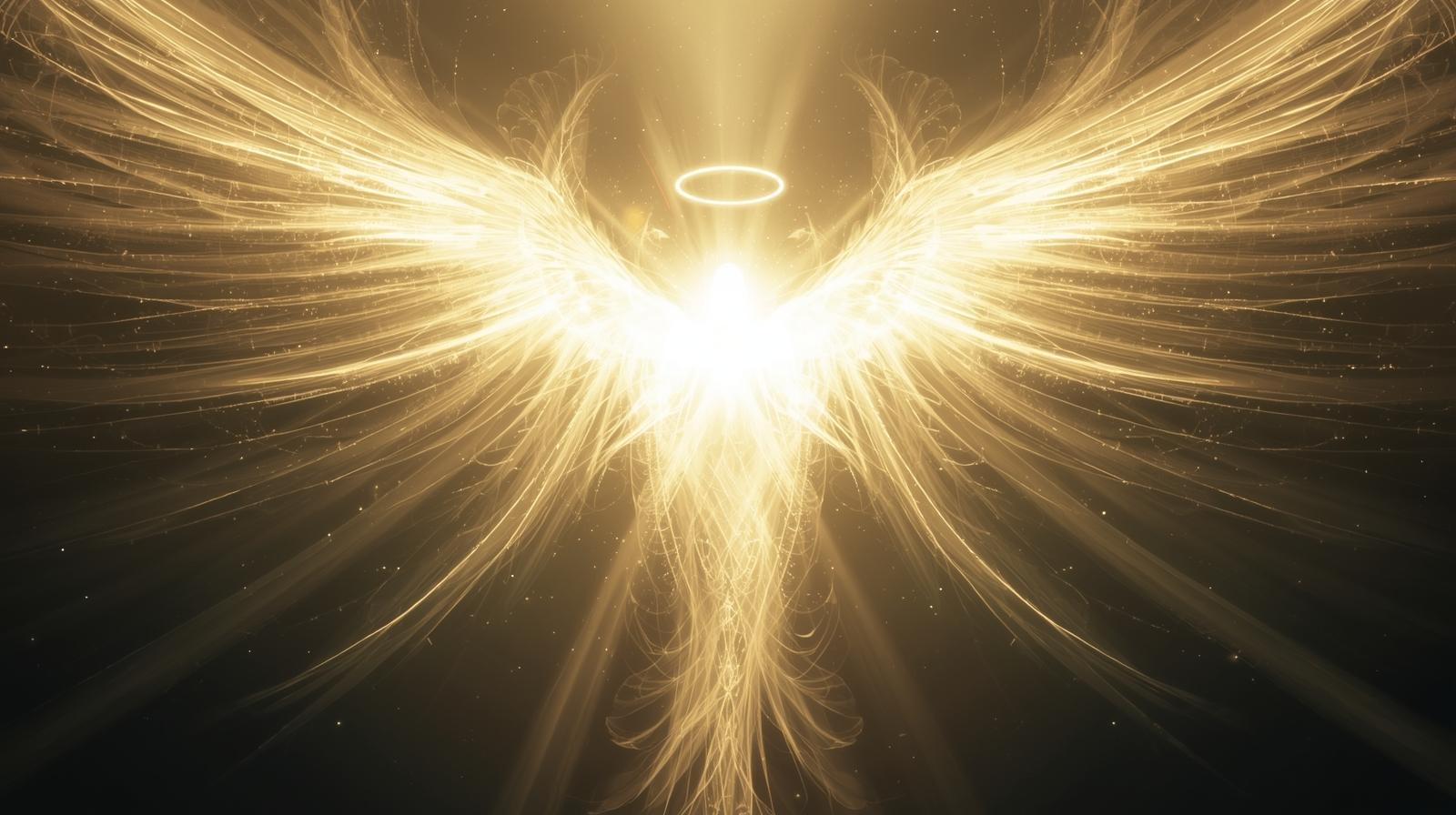
According to Islamic belief, angels were created from light (nur) — pure, radiant beings without physical desires or human weaknesses. The Prophet Muhammad ﷺ said:
“The angels were created from light.” (Sahih Muslim)
They do not eat, drink, sleep, or marry. Their entire existence revolves around worshipping and obeying Allah without disobedience or fatigue.
The Quran and Sunnah describe angels with qualities that make them unique among all of Allah’s creations:
| Characteristic | Description |
|---|---|
| Created from Light | They are luminous beings with no physical body like humans. |
| Infallible Obedience | They never disobey Allah and act upon His commands perfectly. |
| Invisible to Humans | Normally unseen, but they can appear in human form by Allah’s will. |
| No Free Will | Their actions are guided purely by divine command. |
| Immense Power | Some angels can move mountains or carry out vast cosmic duties. |
| Wings | The Quran describes them as having wings — two, three, or more, depending on their rank and role. (Qur’an 35:1) |
The Quran frequently mentions angels, highlighting their presence in various divine tasks:
-
Delivering revelation to prophets.
-
Recording deeds of every human being.
-
Bringing life and death by Allah’s command.
-
Guarding believers and helping them in times of distress.
These descriptions show that angels are integral to the unseen system Allah has established in the universe.
Though unseen by humans, the Prophet Muhammad ﷺ was granted the honor of seeing angels in their true form. He saw Jibreel (Gabriel) in his real shape — filling the entire horizon with 600 wings covered in light and jewels.
However, angels can also appear in human form. For example, Jibreel often came to the Prophet ﷺ as a man, such as during the famous “Hadith of Jibreel,” when he appeared to teach people about faith, Islam, and ihsan.
Angels are not idle beings; they perform specific duties assigned by Allah. Their work is constant and perfectly organized. Below are some of their key roles:
1. Delivering Revelation (Wahy)
The most honored role belongs to Jibreel (Gabriel), the angel of revelation. He brought Allah’s words to prophets, including the Quran to Prophet Muhammad ﷺ.
2. Bringing Sustenance and Rain
Mikail (Michael) is responsible for distributing sustenance, such as food, rain, and resources that sustain life on Earth.
3. Blowing the Trumpet
Israfil (Raphael) will blow the trumpet twice — the first time signaling the end of the world, and the second time marking the Day of Resurrection.
4. Taking Souls at Death
Malak al-Mawt (Angel of Death) and his helpers take souls when life ends, according to Allah’s decree.
5. Guarding Humans
Every person has two angels guarding and recording their deeds:
“And indeed, [appointed] over you are keepers — noble and recording.” (Qur’an 82:10-11)
6. Questioning in the Grave
Munkar and Nakir are two angels who question souls in the grave about their faith, deeds, and beliefs.
7. Carrying the Throne of Allah
The Quran mentions angels who bear the Throne (Arsh) of Allah, glorifying and praising Him continuously.
8. Guarding Paradise and Hellfire
Specific angels are appointed to protect and manage both Paradise and Hell. For example, Malik is the guardian of Hell.
Only Allah knows the exact number of angels. The Prophet ﷺ mentioned that the heavens creak because of the vast number of angels filling them.
In one hadith, he described a place called Bayt al-Ma’mur (the heavenly Ka‘bah) where 70,000 angels pray daily and never return — showing the countless number of angels in existence.
Angels play a vital role in every believer’s life. Their interactions are constant, though unseen:
-
Guardian Angels: Protect from harm and guide toward good.
-
Recording Angels: One writes good deeds, the other records sins.
-
Angels of Mercy: Surround gatherings where Allah’s name is remembered.
-
Angels at Birth and Death: Present at both the start and end of every human journey.
This divine companionship is a reminder that Allah’s mercy and justice encompass every moment of life.
The Angels’ Love for Believers
Islam teaches that angels love those who obey Allah. When a believer does good, the angels pray for them, seek forgiveness on their behalf, and mention them before Allah.
“Those who carry the Throne and those around it exalt [Allah] and ask forgiveness for those who believe.” (Qur’an 40:7)
When a believer remembers Allah, the angels gather around, bringing peace and tranquility.
The Angels’ Role in Worship and the Universe
Angels are constantly engaged in acts of worship. Some prostrate continuously, others bow or glorify Allah in different ways. They never tire or become distracted.
They are also responsible for maintaining order in the universe — moving the clouds, recording time, guiding souls, and ensuring every divine command is carried out with precision.
Are angels male or female?
Angels have no gender; they are spiritual beings created from light.
Can humans see angels?
Generally no, unless Allah allows — as in the case of prophets.
Do angels sin or make mistakes?
No, angels are completely obedient and never disobey Allah.
Are angels still active today?
Yes. Angels continue to record deeds, protect believers, and carry out divine orders.
