
11 April, 2026
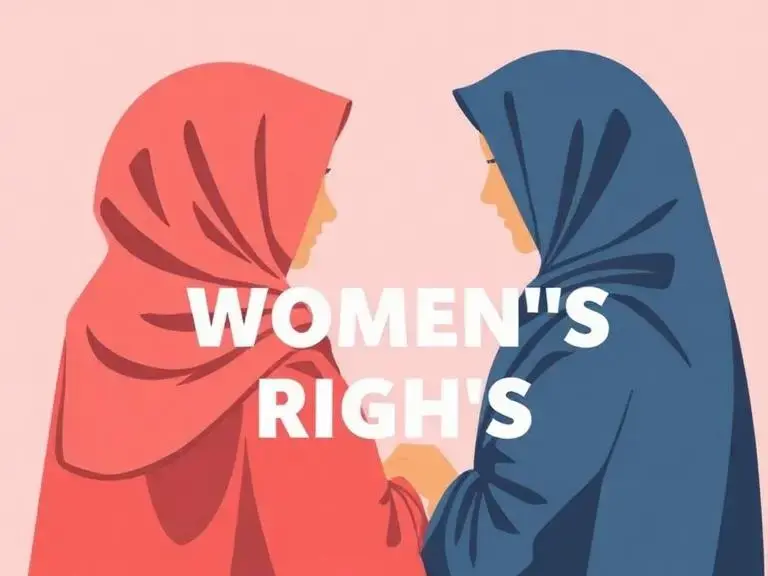
The topic of “islam and women’s rights” is often discussed in global conversations, sometimes with misconceptions or incomplete information. From an Islamic perspective, women’s rights are clearly defined through the Qur’an and the teachings of the Prophet Muhammad (peace be upon him). These rights cover spiritual, social, economic, and personal aspects of life.
Yes, Islam establishes full spiritual equality between men and women.
Evidence from the Qur’an:
“Indeed, the Muslim men and Muslim women, the believing men and believing women... Allah has prepared for them forgiveness and a great reward.” (33:35)
This verse clearly shows:
- Equal accountability before God
- Equal reward for good deeds
Example:
A woman who prays, fasts, and performs acts of charity receives the same spiritual reward as a man.
When discussing islam and women’s rights, it is important to understand the historical context. Many rights granted by Islam over 1400 years ago were not available to women in other societies at the time.
1. Right to Education
The Prophet Muhammad (peace be upon him) said:
“Seeking knowledge is obligatory upon every Muslim.”
This includes both men and women.
Example:
Aisha (may Allah be pleased with her), the wife of the Prophet, was a renowned scholar who taught many companions.
2. Right to Own Property and Wealth
Islam grants women full financial independence.
- A woman can own, buy, and sell property
- She is not required to share her wealth with her husband
Example:
Khadijah (may Allah be pleased with her), the Prophet’s wife, was a successful businesswoman who managed her own trade.
3. Right to Inheritance
The Qur’an clearly outlines inheritance laws for women:
“For men is a share of what the parents leave, and for women is a share...” (4:7)
Important Note:
While inheritance shares may differ between men and women, this is tied to financial responsibilities in Islam. Men are obligated to financially support the family, while women are not.
4. Right to Choose a Spouse
Islam emphasizes consent in marriage.
The Prophet (peace be upon him) said:
“A previously married woman should not be married until she is consulted, and a virgin should not be married until her permission is sought.”
Example:
If a woman is forced into marriage without her consent, the marriage can be considered invalid in Islamic law.
Islam outlines balanced rights and responsibilities within marriage.
1. Right to Maintenance (Financial Support)
A husband is required to:
- Provide food, clothing, and housing
- Ensure his wife’s well-being
Example:
Even if a woman is wealthy, the husband is still responsible for her financial care.
2. Right to Kind Treatment
The Prophet Muhammad (peace be upon him) said:
“The best of you are those who are best to their wives.”
This establishes:
- Respectful behavior
- Emotional care
3. Right to Divorce
Women have the right to seek divorce under certain conditions.
- Khula: A woman can request separation
- Judicial divorce: If harm or injustice occurs
Example:
If a husband is abusive or neglectful, a woman can seek legal separation through Islamic courts.
Yes, Islam allows women to work and participate in society, provided that modesty and ethical guidelines are maintained.
Example:
- Women can be doctors, teachers, business owners
- Early Muslim women participated in trade and even assisted in medical care during battles
What About Modesty and Dress?
Modesty is a key aspect of islam and women’s rights, not a restriction but a framework for dignity.
- Both men and women are required to dress modestly
- Women are instructed to wear hijab
Example:
Hijab is often seen as a symbol of faith and identity, not simply a cultural practice.
Addressing Common Misconceptions
1. “Islam Oppresses Women”
This claim often comes from cultural practices, not Islamic teachings.
Clarification:
- Islam gave women rights long before modern legal systems
- Misuse of religion in some societies does not reflect Islamic principles
2. “Women Are Inferior to Men”
Islam does not teach inferiority.
- Men and women have different roles
- But equal worth in the sight of God
Example:
A woman can surpass a man in faith, knowledge, and character.
3. “Inheritance Inequality Means Unfairness”
Inheritance differences are based on responsibility.
- Men must financially support families
- Women’s wealth remains their own
In Islam, rights are always paired with responsibilities.
- Men: Financial providers and protectors
- Women: Not financially obligated but contribute to family life
This balance aims to create stability and fairness rather than identical roles.
Why Understanding Context Matters
When analyzing islam and women’s rights, it is important to:
- Separate culture from religion
- Refer to authentic sources (Qur’an and Hadith)
- Understand historical context
Example:
Practices like denying education to women in some regions are cultural issues, not Islamic teachings.
Q1: Does Islam support women’s rights?
Yes, Islam clearly defines and protects women’s rights in spiritual, social, and financial aspects.
Q2: Are men and women equal in Islam?
They are equal in spiritual value and accountability but may have different roles and responsibilities.
Q3: Can Muslim women work and earn money?
Yes, women can work and manage their own finances independently.
Q4: Do women have the right to education in Islam?
Yes, seeking knowledge is obligatory for both men and women.
Q5: Is hijab a restriction or a right?
In Islam, hijab is considered an obligation tied to modesty and dignity.
Q6: Can a woman refuse marriage in Islam?
Yes, her consent is required for a valid marriage.
