
16 August, 2025
The Quran is the divine word of Allah revealed to Prophet Muhammad (peace be upon him). For Muslims worldwide, reciting it correctly is both a spiritual duty and an act of worship. Learning the rules in reading Quran is not only about pronunciation, but also about reflecting the sacred message with precision, respect, and beauty. For centuries, Muslims have studied Tajweed to ensure that every letter is recited from its correct articulation point, preserving the meaning and spirit of the Quran.
At Itqan Academy, we specialize in teaching Tajweed step by step so that learners from all levels can master the proper recitation. In this article, we will explore the importance of these rules, how they are applied, and why enrolling in a structured Tajweed course can transform your Quranic journey.
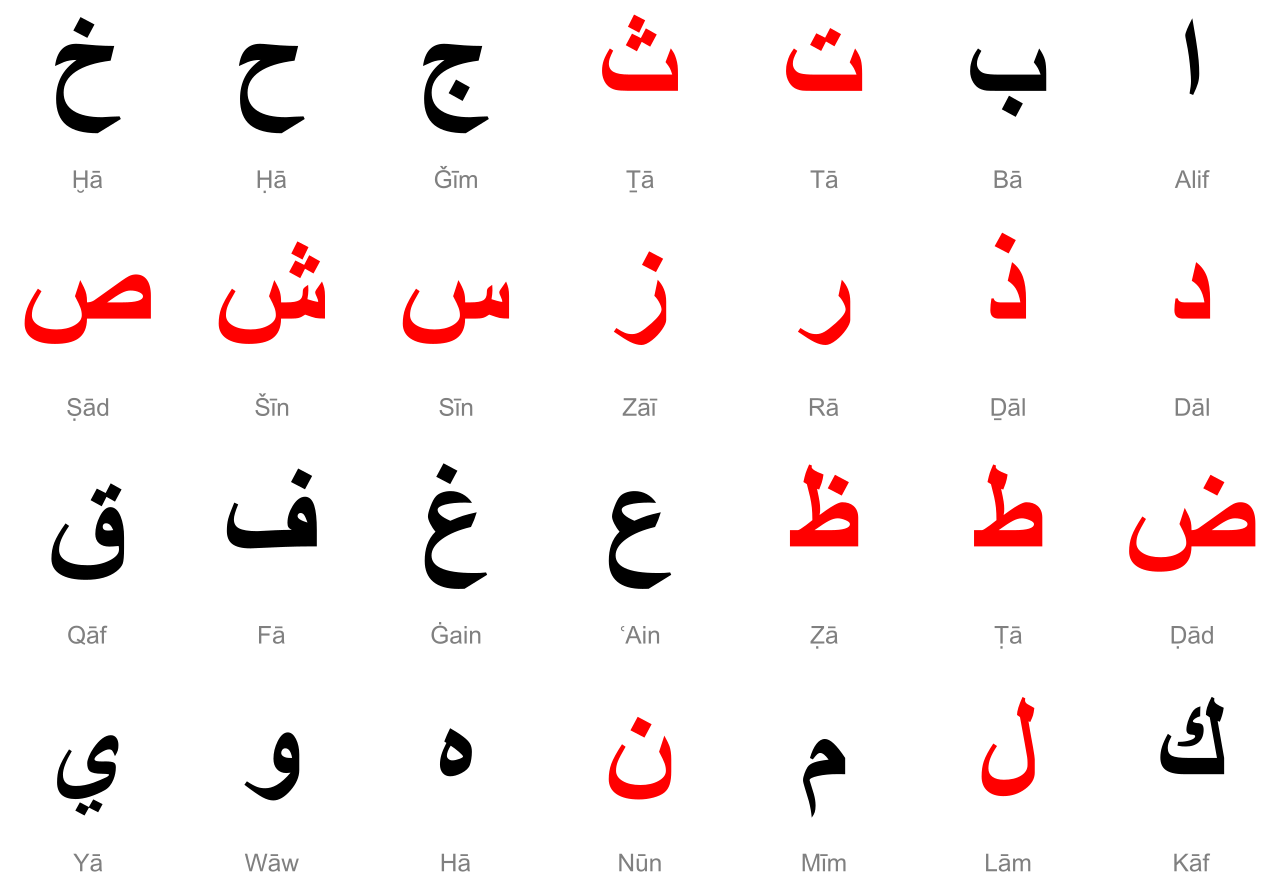
Learning the rules in reading Quran ensures that every verse is recited in a way that maintains its intended meaning. Arabic is a precise language where a small change in pronunciation can shift the meaning of a word. For example, confusing similar letters like dhaad (ض) and daal (د) could lead to a completely different meaning.
Tajweed rules safeguard against such mistakes. They not only guide pronunciation but also add beauty and harmony to the recitation. Reciting with Tajweed is like polishing a precious jewel—bringing out its brilliance while preserving its value.
This is exactly what our Tajweed courses at Itqan Academy aim to teach: the ability to recite fluently, confidently, and beautifully, just as it was revealed.
The science of Tajweed dates back to the time of the Prophet Muhammad (PBUH). His companions carefully memorized not only the words but also the way he recited them. This oral tradition preserved the exact pronunciation of the Quran, and scholars later documented these practices as the official rules in reading Quran.
Today, these rules are universally recognized and practiced across the Muslim world. Studying them connects modern learners directly to the chain of authentic Quran recitation that has been preserved for over 14 centuries.
To help learners grasp the rules in reading Quran, here are some foundational principles taught in Tajweed:
-
Makharij al-Huroof (Articulation Points)
Every Arabic letter has a specific origin point in the mouth or throat. For example, qaf (ق) comes from the back of the tongue, while fa (ف) comes from the lips. -
Sifaat al-Huroof (Characteristics of Letters)
Each letter carries unique qualities like heaviness, lightness, or nasalization. Understanding these ensures that letters are not confused. -
Madd (Elongation)
Certain vowels must be stretched for two, four, or six counts. Proper elongation adds rhythm and preserves meaning. -
Idgham (Merging Letters)
When certain letters meet, they merge smoothly. For example, in min rabbihim, the n merges into the r. -
Ghunnah (Nasal Sound)
The nasal sound occurs in letters like noon and meem, especially when doubled or accompanied by shaddah. -
Stopping and Starting (Waqf and Ibtida)
Knowing where to pause and resume ensures that verses are recited with proper flow and without distorting meanings.
At Itqan Academy, our instructors guide students through these rules with examples, practice sessions, and feedback, ensuring that theory is immediately applied in recitation.
Beyond the basics, advanced learners explore deeper aspects of Tajweed such as:
-
Ikhfa (Concealment) – blending sounds when certain letters follow noon saakin or tanween.
-
Iqlab (Conversion) – changing the sound of noon saakin into meem before the letter ba.
-
Heavy and Light Letters – understanding tafkheem (heaviness) and tarqeeq (lightness) when reciting letters like ra.
-
Rules of Laam and Ra – applying heaviness or lightness depending on context.
Mastering these requires consistent practice, which is why structured learning with expert teachers is essential. This is exactly what our Tajweed course at Itqan Academy provides—practical, guided training that helps learners progress from beginner to advanced levels.
Without applying the rules in reading Quran, many learners fall into mistakes such as:
-
Mispronouncing similar letters (like seen vs saad).
-
Over-elongating or under-elongating vowels.
-
Pausing in the wrong places, leading to changed meanings.
-
Rushing through verses without proper articulation.
Correcting these requires practice under supervision. Our academy’s instructors focus on identifying individual weaknesses and providing personalized solutions.
Tajweed is not only about technical accuracy; it also enhances the spiritual experience of reciting the Quran. A reciter who applies the rules in reading Quran touches hearts, inspires listeners, and reflects the majesty of Allah’s words.
The Prophet Muhammad (PBUH) said: “Beautify the Qur’an with your voices.” This beautification comes from sincerity and applying Tajweed, making the recitation more impactful for both the reader and the listener.
At Itqan Academy, we believe that every Muslim deserves the chance to recite the Quran correctly and beautifully. Our Tajweed program is designed with flexibility and depth:
-
Structured Curriculum – covering all essential rules step by step.
-
Expert Teachers – certified instructors with years of teaching experience.
-
Interactive Lessons – live sessions with feedback on pronunciation.
-
Flexible Scheduling – perfect for busy students and professionals.
-
Practical Application – constant practice of verses to reinforce learning.
By enrolling, you are not only learning the rules in reading Quran, but also gaining lifelong confidence in your recitation.
If you’ve ever felt unsure about your Quran recitation, or worried that you might be making mistakes unknowingly, now is the time to take action. Our Itqan Academy Tajweed Course is designed for learners like you—whether you are a beginner or seeking advanced mastery.
-
Learn at your own pace.
-
Receive personalized feedback.
-
Strengthen your connection with the Quran.
🌙 Don’t delay—every moment spent learning the rules in reading Quran brings you closer to reciting as the Prophet (PBUH) did.
👉 Join our Tajweed course today at Itqan Academy and begin your journey towards perfect recitation.
Q1: Why is learning Tajweed important?
Because Tajweed ensures that every word of the Quran is pronounced correctly, preserving its meaning and beauty.
Q2: Can I learn Tajweed online?
Yes! At Itqan Academy, we offer structured online Tajweed lessons with expert teachers, making it easy to learn from anywhere.
Q3: How long does it take to master the rules in reading Quran?
It depends on your commitment, but with consistent practice, most learners notice significant improvement within a few months.
Q4: What if I already know how to read Arabic—do I still need Tajweed?
Yes. Knowing Arabic does not guarantee correct Quran recitation. Tajweed focuses on precise pronunciation and rules unique to Quranic reading.
