

14 June, 2025
What are nafl prayers? This question is often asked by Muslims seeking to strengthen their spiritual connection with Allah beyond the five obligatory daily prayers. Nafl (or Nawafil) prayers are voluntary acts of worship that offer immense spiritual rewards, elevate one's status in the Hereafter, and bring the believer closer to Allah.
In this comprehensive article, we will explore:
-
The meaning of nafl prayers
-
The different types of nafl prayers
-
Their timing and recommended practices
-
Their virtues and benefits
-
How they compare to obligatory prayers
-
Practical tips for incorporating them into daily life
The Arabic word "Nafl" (نفل) refers to something extra, voluntary, or additional. In the context of Islamic worship, nafl prayers are non-obligatory prayers that a Muslim may offer for spiritual benefits and to seek closeness to Allah.
These prayers are not required but are highly recommended (mustahabb). Performing them earns reward, while neglecting them does not incur sin—making them a beautiful way to gain extra closeness to your Creator.
When someone asks, "what are nafl prayers?", the simple answer is: they are voluntary acts of devotion that enhance your worship and supplement the five daily prayers (Salah).
Our Course: START LEARNING ISLAMIC WITH ITQAN Academy
Nafl prayers are not just a formality. They hold deep spiritual significance, such as:
-
Strengthening your relationship with Allah
-
Earning extra rewards (hasanat)
-
Covering shortcomings in obligatory prayers
-
Receiving divine mercy and blessings
-
Increasing humility and gratitude
Prophet Muhammad (peace be upon him) emphasized the role of nafl prayers in a believer’s life, saying:
“The first thing a servant will be asked about on the Day of Judgment is their obligatory prayers. If they are lacking, Allah will say: ‘Look into his voluntary prayers. Perhaps My servant has some voluntary prayers that can make up for what is lacking in the obligatory ones.’”
— (Hadith, Sunan Abu Dawood)
To fully understand what are the nafl prayers, it's important to know the various types and their purposes. They can be offered at various times during the day or night.
Here are the major categories:
1. Duha Prayer (Forenoon Prayer)
-
Offered after sunrise until before Dhuhr (midday) prayer.
-
Usually prayed in sets of 2 rak'ahs.
-
The Prophet (PBUH) often prayed 4 to 8 rak'ahs.
-
Great for seeking forgiveness and increasing sustenance.
2. Tahajjud Prayer (Late Night Prayer)
-
Prayed after Isha and before Fajr.
-
Best prayed in the last third of the night.
-
Highly virtuous, especially for seeking Allah’s mercy and guidance.
“The best prayer after the obligatory prayers is the night prayer.” – (Sahih Muslim)
3. Istikhara Prayer (Guidance Prayer)
-
Prayed when seeking direction from Allah regarding an important decision.
-
Consists of 2 rak'ahs followed by a specific supplication (du’a Istikhara).
4. Salat al-Tasbih
-
A unique prayer involving the repetition of a specific tasbih (phrase glorifying Allah) 300 times during 4 rak'ahs.
-
Offers forgiveness for past sins.
5. Tahiyyat al-Masjid (Greeting the Mosque)
-
2 rak'ahs offered upon entering the mosque, before sitting down.
-
A way to show respect to the House of Allah.
6. Salat al-Awwabin (The Prayer of the Oft-Returning)
-
Often associated with Duha or after Maghrib prayer.
-
A sign of devotion and humility.
7. Nafl Prayers Before and After Obligatory Salah
Many nafl prayers are connected to the five daily prayers and are highly encouraged (Sunnah Mu’akkadah or non-emphasized Sunnah):
-
Before Fajr: 2 rak'ahs (Sunnah Mu’akkadah)
-
Before and after Dhuhr: 2 or 4 before, 2 after
-
After Maghrib: 2 rak'ahs
-
After Isha: 2 rak'ahs
These are often performed by the Prophet and were consistently practiced.
One of the blessings of nafl prayers is their flexibility in timing, with a few exceptions:
Recommended Times:
-
After performing obligatory prayers
-
During the night (especially Tahajjud)
-
Mid-morning (Duha)
-
Before or after Sunnah prayers
Prohibited Times:
-
After Fajr until sunrise
-
After Asr until sunset
-
During the exact time of the sun's zenith (just before Dhuhr)
These restrictions are based on authentic hadiths and should be respected to avoid performing prayer at disliked times.
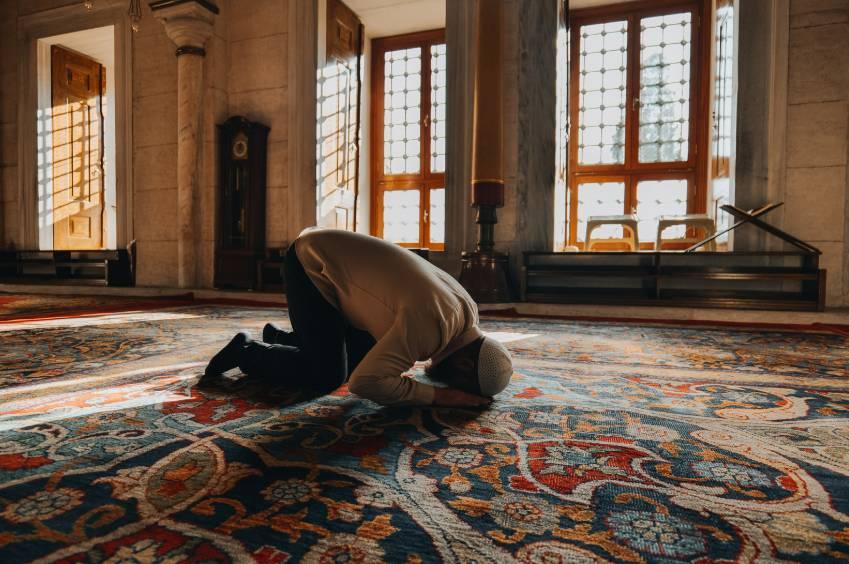
Nafl prayers can generally be performed in sets of two rak'ahs, although some are offered in 4 or more. There's no fixed upper limit, but moderation is encouraged to avoid burnout or excessive burden.
Understanding what are nafl prayers becomes more motivating when we realize their profound benefits:
-
Spiritual elevation and closeness to Allah
-
Expiation of sins and shortcomings
-
Fulfillment of needs and heartfelt du'as
-
Protection from evil and negative influences
-
Increased tranquility and inner peace
“The closest that a servant comes to his Lord is during the middle of the night, so if you can be among those who remember Allah at that time, do so.” – (Tirmidhi)

If you're new to nafl prayers or want to build consistency, consider the following:
-
Start small: Begin with 2 rak'ahs of Duha or 2 after Isha.
-
Build a habit: Add one or two types to your daily routine.
-
Be consistent: Even if it's a small amount, consistency brings blessings.
-
Seek quiet times: Tahajjud in solitude can be spiritually transformative.
-
Make a du'a list: Nafl prayers are an ideal time for personal supplication.
Q1: What are nafl prayers?
A: Nafl prayers are voluntary prayers that Muslims perform in addition to the five daily obligatory prayers for extra rewards and closeness to Allah.
Q2: What are the nafl prayers most commonly performed?
A: Common nafl prayers include Duha, Tahajjud, Istikhara, Salat al-Tasbih, and the Sunnah prayers before and after the obligatory prayers.
Q3: Are nafl prayers required?
A: No, they are optional. However, they are highly recommended and beloved to Allah.
Q4: When should I pray Tahajjud?
A: After Isha and before Fajr, preferably in the last third of the night.
Q5: Can I pray nafl prayers any time?
A: Mostly yes, but avoid times prohibited in authentic hadith, such as after Fajr until sunrise or after Asr until sunset.
