
10 August, 2025
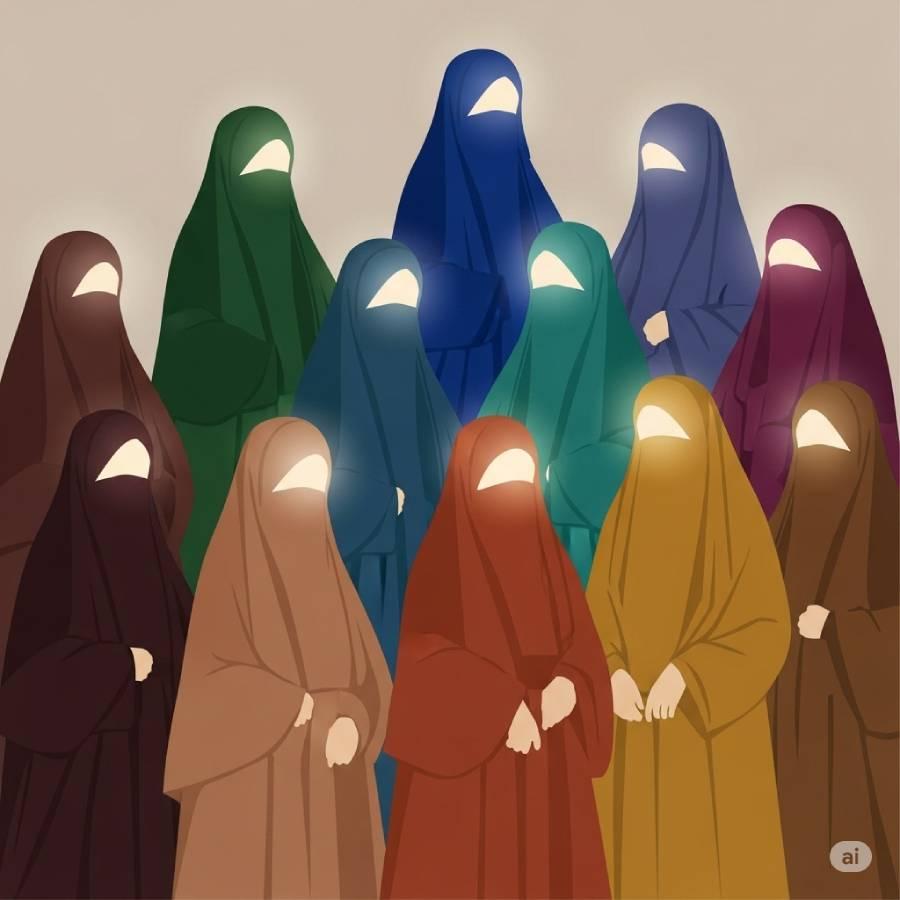
Prophet Muhammad (peace be upon him) is one of the most influential figures in history, not only because of his message of Islam but also because of his personal life, which continues to inspire millions of people around the world. Among the many aspects of his life, one of the most fascinating is his family life, especially his marriages. The Prophet married eleven women throughout his lifetime, each with her own unique story, background, and contribution to the early Muslim community. Learning about these women helps us better understand the Prophet as a husband, a leader, and a compassionate human being. In this article, we will briefly introduce you to each of the eleven wives of Prophet Muhammad, giving you a glimpse into their personalities and lives. Later, we will explore each of them in detail in separate articles.
Khadijah was the first wife of Prophet Muhammad and played a vital role in his life and mission. She was a respected merchant in Mecca, known for her intelligence, honesty, and business skills. Khadijah married the Prophet when he was 25 years old, and she was about 40. Their marriage lasted for 25 years until her death, and during that time, the Prophet did not marry any other woman. Khadijah was the first person to believe in his prophethood, supporting him both emotionally and financially during the difficult early years of Islam. She gave birth to six of his children, including his beloved daughter Fatimah. Her unwavering faith and loyalty made her one of the most honored women in Islamic history.
After the death of Khadijah, Prophet Muhammad married Sawda bint Zamʿa. She was a widow who had accepted Islam early and faced persecution in Mecca. Known for her kind heart and sense of humor, Sawda brought comfort to the Prophet during a time of grief. She was older than the Prophet and valued for her generosity and service to the household. Sawda was also known for giving her turn with the Prophet to Aisha, as she simply wanted to remain his wife until her death, which showed her humility and selflessness. She lived long after the Prophet’s passing and narrated several hadiths (sayings of the Prophet).
Aisha was the daughter of Abu Bakr, the Prophet’s closest companion and the first caliph after him. She married the Prophet at a young age and became one of the most knowledgeable women in Islamic history. Aisha played a major role in transmitting over 2,000 hadiths, making her one of the most important sources of Islamic knowledge. She was known for her sharp intelligence, strong memory, and deep understanding of Islamic law. Aisha also participated in significant historical events and was active in teaching others about Islam for decades after the Prophet’s death.
Hafsa was the daughter of Umar ibn al-Khattab, the second caliph of Islam. She was a widow when she married the Prophet. Hafsa was known for her piety, devotion to learning, and her role in preserving the Qur’an. She was entrusted with the written copy of the Qur’an during the time of Caliph Abu Bakr, a responsibility that highlights her trustworthiness and dedication to Islam. Hafsa lived many years after the Prophet’s passing and continued to be respected in the Muslim community.
Zaynab was known as “Mother of the Poor” because of her generosity and care for the needy. She was a widow when she married the Prophet, and their marriage lasted only a few months before her death. Although her time with the Prophet was short, her compassion and charitable spirit left a lasting impression. She is one of the lesser-known wives of the Prophet, but her kindness continues to be remembered by Muslims.
Umm Salama was a wise and patient woman who endured many hardships before marrying the Prophet. She was widowed after her husband died from injuries in battle, leaving her with young children. The Prophet married her to provide support and companionship. Umm Salama was known for her intelligence and ability to give good advice. She narrated many hadiths and lived long after the Prophet’s passing, becoming a respected teacher and source of knowledge in the Muslim community.
Zaynab was the cousin of the Prophet and originally married to his adopted son, Zayd ibn Harithah. After her divorce, Allah commanded the Prophet to marry her, an event mentioned in the Qur’an to address pre-Islamic customs regarding adoption and marriage. Zaynab was known for her generosity, piety, and devotion to prayer. She often gave away her wealth to those in need and was regarded as one of the most charitable women among the Prophet’s wives.
Juwayriya was the daughter of a tribal chief and was captured during a battle between the Muslims and her tribe. The Prophet married her, which resulted in her tribe embracing Islam and freeing many captives. She was known for her beauty, dignity, and devotion to worship. Juwayriya spent much of her time engaged in prayer and remembrance of Allah.
9. Umm Habiba (Ramlah bint Abi Sufyan)
Umm Habiba was the daughter of Abu Sufyan, a prominent leader of the Quraysh tribe. She accepted Islam early and faced great challenges when her first husband left Islam. The Prophet married her while she was living in Abyssinia (Ethiopia) as a refugee. Her marriage helped strengthen relations between the Prophet and her influential family. Umm Habiba was known for her faith and resilience during difficult times.
10. Safiyya bint Huyayy
Safiyya was of Jewish heritage and the daughter of a respected leader of the Banu Nadir tribe. She married the Prophet after her tribe was defeated, and she embraced Islam. Safiyya was known for her grace, dignity, and forgiveness toward those who had wronged her. She played a role in building understanding between different communities during the Prophet’s time.
11. Maymunah bint al-Harith
Maymunah was the last woman the Prophet married. She was known for her generosity and dedication to serving the poor. Her marriage to the Prophet strengthened ties between different tribes, contributing to peace and unity. Maymunah is remembered for her kindness and devotion to the Prophet.
How many wives of Prophet Muhammad?
He had eleven wives in total during his lifetime.
Did Prophet Muhammad divorce any of his wives?
No, he did not divorce any of them.
What were the ages of Muhammad’s wives?
Their ages varied widely, ranging from late teens to over forty at the time of marriage.
